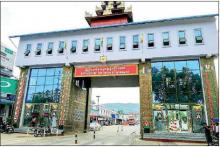
လားရှိုးမြို့ရှိ အခြေခံပညာကျောင်းများစတင်ဖွင့်လှစ်

လားရှိုးမြို့ရှိ အခြေခံပညာကျောင်းများစတင်ဖွင့်လှစ်

လားရှိုး ဒီဇင်ဘာ ၁

ရိုက်ကူးတည်းဖြတ်-ဟန်ဌေး၊ စိုင်းအောင်ကျော်စိုး

Democracy: Looking Beyond Elections

CONTINUED FROM YESTERDAY The NLD government-appointed ethnic members at high-ranking positions in the executive and the legislature and as chief ministers of States. However, the lack of consultation with ethnic parties undercut NLD’s measures for national reconciliation. Arakan National Party’s (ANP) political disagreement with NLD was most obvious with serious ramifications. ANP was the single largest party that won 22 out of 35 seats in Rakhine State Hluttaw. ANP was of the view that if NLD wanted to see ethnic parties cooperate in the peace process, national reconciliation and constitutional amendment, it should first give an ethnic party like ANP the opportunity to nominate the chief minister and form the government of Rakhine State or at least negotiate with ANP. However, NLD failed to do so. Shan Nationalities League for Democracy (SNLD) and Mon National Party (MNP) were other ethnic parties that expressed similar disappointment towards the NLD. The Chairman of ANP, Dr Aye Maung, who was selected as the representative of ethnic parties in U Thein Sein’s six-party talk, missed the opportunity to represent ANP as the Chief Minister of Rakhine State. Instead, U Nyi Pu, the NLD member was appointed as the Chief Minister. Since then, NLD’s relations with Rakhine ethnic parties had become troublesome. The political rupture exacerbated existing security concerns in the Rakhine State. NLD’s failure to seize the opportunity of engaging governmental and nongovernmental actors/stakeholders to build confidence and common understandings rendered its reform dialogues half strained from the very beginning.

Discussion with Ba Gyi Hman

IN my Ywar Tha Yar village, Ba Gyi Hman has a wealth of knowledge. He weighs the words and thinks very carefully before he speaks. Although he is over 70, he is still active and alert. He can read well and is well versed in foreign and Myanmar affairs.

The Questions People Want to Know their Answers

RECENTLY, my articles ‘the undeniable facts that led to widespread election frauds’ was described in the State-run newspapers and shared and reviewed by some interesting readers on their social network of Facebook. I also like to extend my special thanks to those who discussed and commented reviews on my article. As the outcomes, it found that the article provoked curiosities, questions and emotions from the heart of people regarding the electroal frauds occurred in 2020 election. That is a good point as it provides me an opportunity to stifle the emotions of uncertainities and respond to the questions of people and thus, the article emerges.

Kyi Aung (Kaytu-mati), who gave birth to ‘National Lifetime Award for Literary Achievement’

This Myanmar poem was written by Kyi Aung (Kaytu-mati) in the ‘Naing-Ngant Gon-Yi’ Magazine of September 2005 issue. My literal translation of the poem is as follows: - Resolution of a literary mann - To be able to produce literature is a literary man’s work Bashing away on writing and thinking Composing vivid literary work Makes me pleased No matter whether I’m starving or not…

Thingyan: The festival of goodwill and loving-kindness

MYANMAR people use the Lunar calendar. Months are counted according to the movement of the moon, so the month in Myanmar is ‘La’, the same word for the moon. There are two types of the month – 30- day month and 29-day month. The month which has 15 days of the waxing moon and 15 days of the waning moon is of the first type and the month which has 15 days of the waxing moon and 14 days of the waning moon is of the second type. These two types alternate in the 12-month calendar. The year always begins with the 29-day month called Tagu, and ends with the 30-day month called Tabaung. So it is customary for the Myanmar people to mark the day not only as the 1st day, 2nd day etc., of the month but also whether the day is waxing or waning moon of the month. The days of the month counted in this way have thus a serial of 1 to 15 for the first half of the month and 1 to 15 for the second half of the month of 30 days, and 1 to 15 for the first half of the month and 1 to 14 for the second half of the month of 29 days. The 15th day of the waxing moon is called Full Moon day, and the 15th (in the case of 30-day months) or 14th (in the case of 29-day months) day of the waning moon is called ‘Hidden Moon’ day.
Subscribe to