Disaster Preparedness and Response

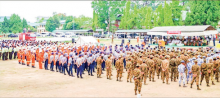
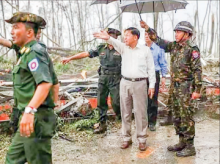
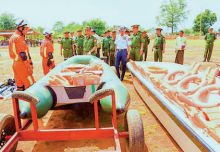
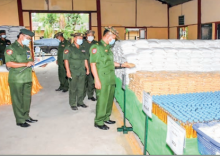
DISASTER preparedness and response refers to the actions and strategies put in place to mitigate the effects of disasters. Disaster preparedness involves the measures taken before a disaster occurs to reduce the probability of harm or damage, while disaster response involves the actions taken during and immediately after a disaster to save lives and prevent further damage.

Firmly join hands in defying the possible cyclonic storm

POSSIBILITY is not a dead sure forecast but it is necessary to take special care of everything without reluctant efforts. In the case of weather forecasts, everybody wishes to be true for fine weather but they wish to be wrong for bad ones. European Centre for Medium-Range Weather Forecast (ECMWF), Global Forecast System (GFS) and the Department of Meteorology and Hydrology of Myanmar have issued weather forests that the occurrence of a storm from the low-pressure area in the Bay of Bangel on 8 May might change to a stronger cyclone and enter Yangon and Ayeyawady Region (or) coastal region of Myanmar.

Lweje border trade value tops US$0.2 mln on 30 April

EXPORTS worth US$0.232 mil­lion were shipped in 19 trucks to China through the Lweje bor­der on 30 April, the statistics of the Ministry of Commerce indicated. Fifteen truckloads of tissue-cultured bananas and one truckloads of watermelons with a total value of $0.085 mil­lion were exported.

Operate agro-forest cultivation to benefit rural people

AS GLOBAL countries currently face environmental problems and challenges as well as food security issues, they use nature-based ways and means to solve these problems with agro-forest activity, conservation of watershed forests, efficient and correct use of land utilization, and agricultural techniques to reduce climate change as well as applying good agriculture practices.

Be cautious for Heat Stress, Heat Exhaustion and Heat Stroke in Severely Hot Summer

A SEVERELY hot summer can be a challenging and uncomfortable experience for many people. With temperatures soaring to unprecedented levels, it can lead to health risks and other problems. However, there are ways to cope with a hot summer and protect oneself from its adverse effects. One of the most important things to do during a hot summer is to stay hydrated. Drinking plenty of water throughout the day can help prevent dehydration, which can cause symptoms such as headaches, dizziness, and fatigue. It is also essential to avoid drinks that can dehydrate the body, such as alcohol and caffeinated beverages.

Don’t be careless of daily routines in hot summer

S UMMER in Myanmar is a very hot and dry season. During the three-month period of summer in Myanmar, the period from the third week of April to the second week of May is the very hottest. Hence, people should take shelter and follow the instructions issued by the Ministry of Health.
Subscribe to