The Genuine Will of the People who Support Democracy

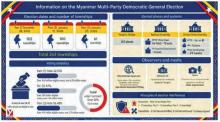
THE day of 28 December 2025 marked a very important milestone in Myanmar’s political history. In other words, it can be called a historic day on which the genuine will of the people who truly support a multiparty democracy was clearly demonstrated. From the early morning to the evening, peaceable civilians in 102 townships across the nation revealed their genuine desire through casting the ballot, which came from their hearts. With the aim of bringing about an elected government for the sake of their future, peace and stability, and better opportunities for the nation’s political, economic, and social development, they proved how they fulfilled their civic duties by taking their steps towards the polling stations where Phase I of the election was held.

Why Myanmar can hope for a bright future after landmark electionsBy Atul Aneja

Disregarding an avalanche of criticism, Myanmar went to the polls on 28 December. The landmark elections, meant to usher in a meaningful political transition, despite violent disruptions from Non-state Armed Groups (NSAG), will last nearly a month. Two more rounds will be held – one on 11 January and another a fortnight later. These three-phased elections will set the stage for the formation of a new civilian government.

A Visit to Pannabhumi University

Our bus left home in Kaba Aye at 9 am and halted temporarily at a roadside tea shop, and we got down and had a hasty breakfast. Then, we drove sluggishly through a maze of cars of different sizes, colours and models. When we got to the toll-gate on the Yangon-Nay Pyi Taw Highway, it was well over 10 am. The sun was ablaze overhead.

2025 Multiparty Democratic General Elections: Turning a New Page for Myanmar?

The upcoming elections on 28 December 2025 will turn a new page for Myanmar, shifting the narrative from a conflict-affected, crisis-laden country to a new chapter of hope for building peace and reconstructing the economy. Myanmar is no stranger to “founding” elections. These founding elections, often held amidst challenging environments and imperfect processes, have historically produced defining moments of opportunity to tackle the country’s ongoing conflicts and allow it to take its rightful place in the international community to fulfil its obligations.

World AIDS Day 2025: Renewing Global and National Commitment to Ending HIV as a Public Health Threat

Every year on 1 December, nations around the world commemorate World AIDS Day, reflecting on the profound human, social and economic impact of HIV and renewing commitments to confront one of the world’s longest-running health emergencies. As the world enters 2025, the message is clear: while extraordinary progress has been made, HIV remains an unfinished agenda. Millions continue to live with the virus, new infections occur daily, and inequalities still hinder access to prevention, testing and treatment services.

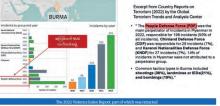
Open Letter to CSW’s Founder President Mr Mervyn Thomas who Ignore the Truth and Support Terrorist Acts

It might be wondered who wrote this open letter to Founder President Mr Mervyn Thomas of Christian Solidarity Worldwide (CSW). I am simply an ordinary citizen who loves our country and people. Particularly, I am an ordinary person who cannot accept one-sided accusations and pressure from international organizations and individuals, that aim our country and people to be in ruins.

Public service personnel: Take oaths to be loyal to the State

MYANMAR shares borders with five neighbouring countries, and some of these borders are easily crossable and difficult to monitor. This makes it challenging to control illegal trade and contributes to the occurrence of illicit commerce. According to the Transnational Alliance to Combat Illicit Trade (TRACIT), it is estimated that over US$460 billion worth of goods are traded illegally worldwide each year.

Operate agricultural activities successfully to boost the State economy

IN MYANMAR, some 70 per cent of the population lives in rural areas, while around 30 per cent reside in urban areas. Of this population, approximately 50 per cent earn their livelihoods in agriculture, forestry, livestock and fisheries sectors. Therefore, promoting agricultural and livestock production is crucial for boosting the national economy. By developing the rural economy, the overall national economy can grow, while simultaneously reducing poverty.
Subscribe to