International Literacy Day: A Celebration of Knowledge and Empowerment

International Literacy Day, observed on 8 September each year, stands as a global reminder of the transformative power of literacy established by the United Nations Educational, Scientific, and Cultural Organization (UNESCO) in around 1966. This day is not only a celebration of the achievements in literacy worldwide but also a call to action for addressing ongoing challenges. The significance of International Literacy Day, its history, the progress made in global literacy, and the continued efforts needed to overcome barriers to education. “Literacy is not just about educating; it is a unique and powerful tool to eradicate poverty and a strong means for social and human progress.”

The Rising Threat in the 21st Century

AS human beings, we are not items or goods to be bought or sold. People have the ability to do what they can, what they must, and what they want. The world is full of different people with different minds. Some are compassionate and caring, while others are cruel and selfish. The humane people help the helpless and share in others’ feelings, making the world a better place. In contrast, inhumane people commit evil acts, including treating human beings as objects to be traded, even though they themselves are also human. They do not care if it is right or wrong; they only care about making money by selling other people as if they were goods.

Invest in clean air activities for society

AIR pollution poses significant health risks by releasing invisible particles that penetrate deep into the lungs, bloodstream, and body tissues of living beings, including humans. These microscopic pollutants are linked to severe health conditions, including respiratory diseases, heart attacks, strokes, and lung cancer. In fact, air pollution is responsible for approximately one-third of deaths from strokes, chronic respiratory diseases, and lung cancer, as well as one-quarter of heart attack-related deaths.

Sustain Myanmar’s fine traditions and society based on a charitable spirit

MYANMAR society highly values charitable acts and honours those who selflessly serve others, prioritizing social welfare over personal gain. Many charity organizations in the country operate independently of government support, with volunteers motivated by a genuine desire to help those in need. These organizations take various forms, often based on religious activities or social movements. Regardless of their foundation, both types of organizations come together during emergencies to provide assistance.

Symbols of Socio-Political Ideologies in Buddhist Architecture

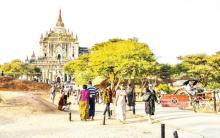
In 1873, Alexander Cunningham, a renowned archaeologist and the father of Indian archaeology excavated the Bharhut stupa in Madhya Pradesh, India. This stupa, which is one of the encased stupas in India, was found to have a circumambulatory path. Although smaller than the larger stupas at Sanchi, Bhattiprolu, or Amravati, the Bharhut stupa features remarkable sculptural details. The circumambulatory corridor was designed not only for the act of veneration and circumambulation around the stupa but also to allow observers to appreciate the sculptures and ornamentations as part of the socio-political context.

Beef up efforts required to combat Mpox

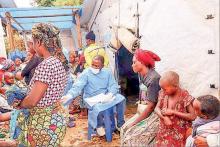
THE Ministry of Health has recently issued a press release in response to the re-emergence of Mpox (formerly known as monkeypox) in several African countries and neighbouring regions. The World Health Organization has classified Mpox as a Public Health Emergency of International Concern (PHEIC) due to its resurgence. Recently, an Mpox case was reported in Thailand, highlighting the virus’s spread beyond Africa.

Contribute to census enumeration with public participation

MYANMAR is preparing for a nationwide population and household census in 2024, targeting an estimated 56 million people and 13 million households. The census will be conducted from 1-15 October 2024, with the reference date being midnight of 30 September. The government plans to deploy around 42,000 auditors and enumerators who will cover 80,000 census units across 110,000 plots nationwide. These enumerators will go door-to-door, asking 68 questions for households and 18 questions for organizations.

Produce purified drinking water for the people

CLEAN drinking water is essential for public health, and it must meet specific standards, such as being free of sediment, colour, taste, harmful bacteria, and minerals that could pose health risks. Drinking water can carry invisible bacteria and viruses, making unclean water a source of diseases, including infectious diseases.
Subscribe to