
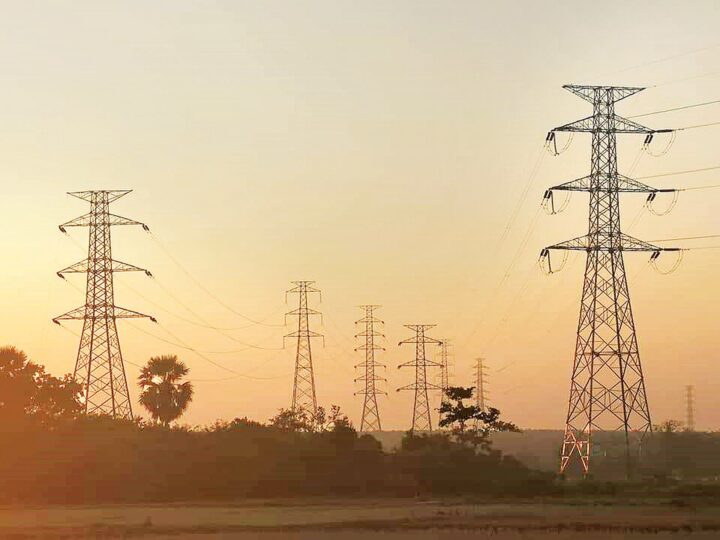
According to the Ministry of Electric Power, efforts are being made to generate up to 3,400 megawatts of electricity per day (equivalent to 60,000 megawatt-hours) and to distribute power on a full-time basis whenever possible.
At present, the installed capacities of power plants operated by the Ministry of Electric Power, categorized by energy source, comprise 32 hydropower plants, 24 natural gas – fired plants, two coal-fired plants, and 12 solar power plants, with a total installed capacity of up to 6,725 megawatts.
“If all plants could be operated at full capacity, it would be possible to generate and distribute up to approximately 4,000 megawatts. However, due to acts of sabotage and the gradual decline in natural gas production, electricity generation has fallen by more than 600 megawatts. As a result, only slightly over 3,000 megawatts can be generated per day, and electricity still has to be distributed on a rotational basis for limited periods in some areas,” said an official from the Ministry of Electric Power.
To overcome these challenges, damaged power lines and substations are being repaired promptly. Additionally, efforts have been made to generate electricity using liquefied natural gas (LNG), and the successful construction of a 500-megawatt LNG power plant project has enabled the plant to begin supplying an additional 500 megawatts of electricity from 14 January 2026.
As of today, nationwide electricity access stands at 70.43 per cent, with approximately 6.9 million electricity consumers. Of these, 42 per cent consume between one and 50 units at the domestic tariff rate, while 19 per cent consume between 51 and 100 units. Consequently, around 61 per cent of consumers are using electricity under the domestic tariff.
The State continues to distribute electricity to the public at tariff rates below the actual cost of production to ensure affordability for basic household use, subsidizing the difference annually.
Despite this ongoing State expenditure, electricity generation using LNG, although costly, has been prioritized under the “LNG to Industry” initiative to ensure uninterrupted industrial production and to prevent any slowdown in manufacturing output.
To maintain stable and continuous electricity supply and to ensure a more balanced electricity production cost structure, it is planned to introduce a specific “economic rate” for industrial and commercial enterprises. This approach aims to create a favourable production environment with a reliable energy supply guarantee for business operators, enabling them to expand their operations successfully. Electricity tariffs for public consumption will remain unchanged, and electricity previously used by industrial sectors will become increasingly available for public use. In view of national economic development, the Ministry of Electric Power has urged industrial entrepreneurs to work together in close cooperation.
ASH/KNN
#TheGlobalNewLightOfMyanmar